
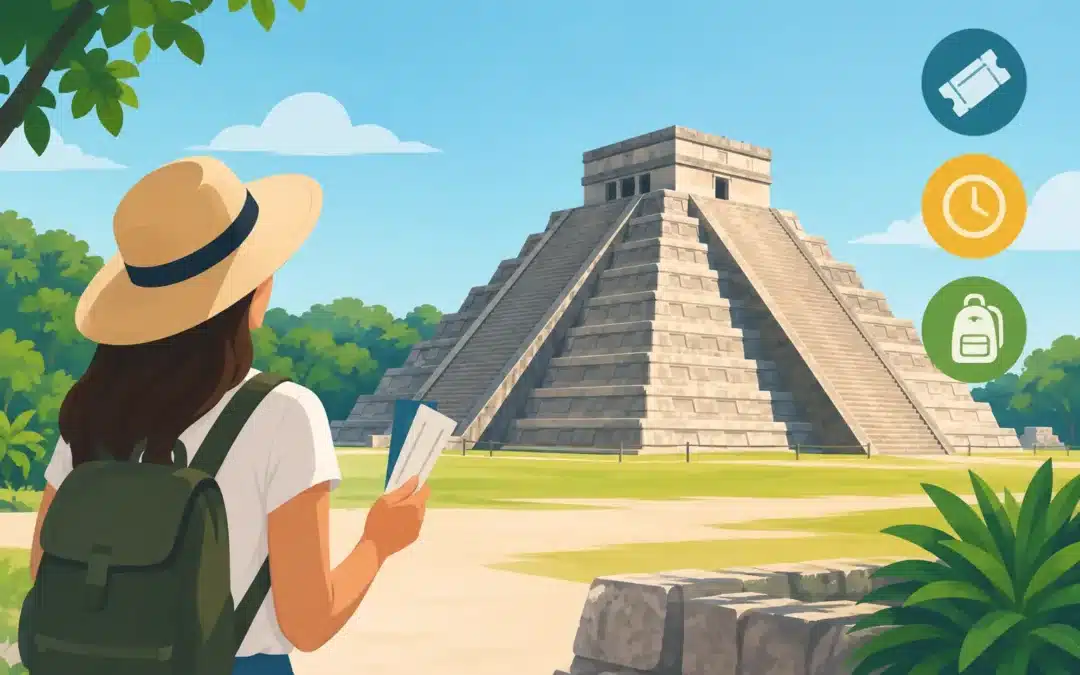
The first view of El Castillo is better when you are not standing in a long ticket line under the Yucatán sun. This Chichen ticket guide helps you plan the practical part of Chichén Itzá – entry, timing, payment, and transportation – so you can spend more of your morning with the Maya city itself.
From Valladolid, Chichén Itzá is an easy day trip, but a little planning changes the experience completely. Arrive early, know what your ticket includes, carry the right payment backup, and leave room for a cenote swim or a relaxed local lunch afterward.
What a Chichén Itzá ticket usually includes
A standard daytime ticket gives you access to the archaeological zone and its main public areas. You can walk the broad ceremonial spaces, see El Castillo, visit the Great Ball Court, admire the Temple of the Warriors, and explore the routes that remain open to visitors.
Entry is generally made up of more than one official charge. This can make the total look different from the price travelers remember from an old blog post or guidebook. Ticket rates and payment procedures can change, so confirm the current total shortly before your visit rather than relying on a price published months ago.
Your daytime admission does not automatically include transportation, food, a guide, lockers, drinks, a cenote visit, or the evening sound-and-light experience. These are separate choices. That is not necessarily a drawback: it lets you build a day around your travel style, whether you want a focused archaeological visit or a fuller Yucatán adventure.
Children, students, Mexican residents, and Mexican nationals may qualify for different rates under certain conditions. Bring valid identification if you believe a discount applies. Rules can be specific, and the ticket office makes the final decision.
Chichen ticket guide: buy at the site or go with a tour?
Most independent travelers buy tickets at the official entrance on arrival. This works well when you have your own car, are comfortable managing the day’s timing, and can reach the site near opening. There is no need to make the experience complicated.
The trade-off is that you manage every moving part yourself: transport from Valladolid, parking or bus schedules, entry lines, payment questions, finding the best walking route, and getting back before the hottest part of the afternoon. At one of Mexico’s most visited archaeological sites, those small details can shape the whole day.
A small-group or private tour is often the easier option for travelers who want a local guide and a planned schedule. Depending on the itinerary, the tour may include transportation, guided context, and help with entry logistics. Always check whether archaeological admission is included in the advertised price or paid separately. Clear inclusions matter more than a low headline price.
A guide adds much more than dates and building names. At Chichén Itzá, the stories are in the details: the acoustics around the ball court, the carved warriors, the astronomical design, the political power behind the city, and the living Maya culture that continues across Yucatán today. Walk with someone who can help you see the place as more than a checklist stop.
The best time to arrive
Aim to be at the entrance close to opening time. Early morning gives you cooler paths, softer light for photos, and a better chance to see the major structures before large tour groups arrive. The heat builds quickly, especially from late morning through midafternoon.
If your schedule allows, leave Valladolid early and make Chichén Itzá your first stop. After the ruins, you can cool off in a cenote, enjoy a regional meal, or return to town with time for a slow evening in the plaza.
Midday visits can still be worthwhile, especially in quieter travel periods, but bring realistic expectations. Shade is limited across much of the site, distances add up, and the most famous viewpoints are rarely empty. Families with young children and travelers sensitive to heat will usually enjoy an early departure far more.
Weather also matters. Rainy-season showers may arrive suddenly, but they can bring dramatic skies and a welcome drop in temperature. Carry a light rain layer, not an umbrella that blocks other visitors on narrow paths. In the dry season, sun protection becomes even more essential.
Payment, bags, and what to bring
Bring both a payment card and Mexican pesos. Card acceptance and payment systems can vary, and cash gives you a useful backup for tickets, small purchases, or unexpected changes. Do not arrive with only a large foreign bill and hope for the best.
Wear breathable clothes and comfortable shoes with grip. The archaeological zone is expansive, with uneven paths in places. A refillable water bottle, hat, sunglasses, sunscreen, and a small daypack are practical choices. Buy water before you become thirsty.
For a smoother visit, keep these four things ready:
- Your passport or valid ID if you may need it for a special rate.
- Mexican pesos and a card as a payment backup.
- Water, sun protection, and shoes made for walking.
- A charged phone or camera, plus enough storage for photos.
Drone use is restricted, and professional photography or video equipment may require permission or an additional fee. Rules around tripods, large bags, and special equipment can change. Ask at the entrance before carrying gear through the gate, especially if photography is a major part of your plan.
Respect the site while you explore
Chichén Itzá is not a theme park. It is one of the most significant Maya cities in the world and a place with deep meaning for the region. The best visit is curious, patient, and respectful.
Stay on designated paths, do not climb structures that are closed to climbing, and follow staff instructions around cordoned areas. Touching carvings, stepping over barriers, or leaving the marked route may seem minor, but millions of visitors create real wear over time.
You will hear many vendors along parts of the route. Some travelers enjoy browsing for crafts and souvenirs; others prefer a quieter walk. A polite “No, thank you” is enough when you are not interested. If you do buy something, take a moment to ask where and how it was made.
Build a better day from Valladolid
Chichén Itzá deserves your energy, but it does not have to fill every hour of your day. The smartest itineraries pair the ruins with something that changes the pace. A cenote is the classic choice: after stone plazas and bright sun, cool freshwater feels extraordinary.
You can also combine the site with a regional meal, a walk in Valladolid, or a visit to a smaller archaeological zone on another day. Avoid trying to squeeze Chichén Itzá, Ek Balam, multiple cenotes, and a long transfer into one rushed itinerary. You may collect photos, but miss the feeling of each place.
For travelers who prefer a relaxed, locally guided route from Valladolid, MexiGo Tours can help organize a small-group or private day that balances history, transport, and time to swim. Choose the pace that fits your trip. A couple celebrating an anniversary may want a private morning and a quiet cenote lunch; a family may value an earlier start and fewer stops; active friends might add a bike ride or another nature experience the next day.
A final check before you leave
The evening before your visit, confirm the current opening hours, ticket policies, and any temporary access restrictions. Archaeological sites can adjust operations for weather, events, conservation, or public holidays. Set your alarm, fill your water bottle, and leave Valladolid before the roads and ticket area get busy.
Then give yourself permission to slow down once you enter. Stand beneath the scale of El Castillo, listen for the echoes in the Great Ball Court, and let the journey be more than an item crossed off a map.


