
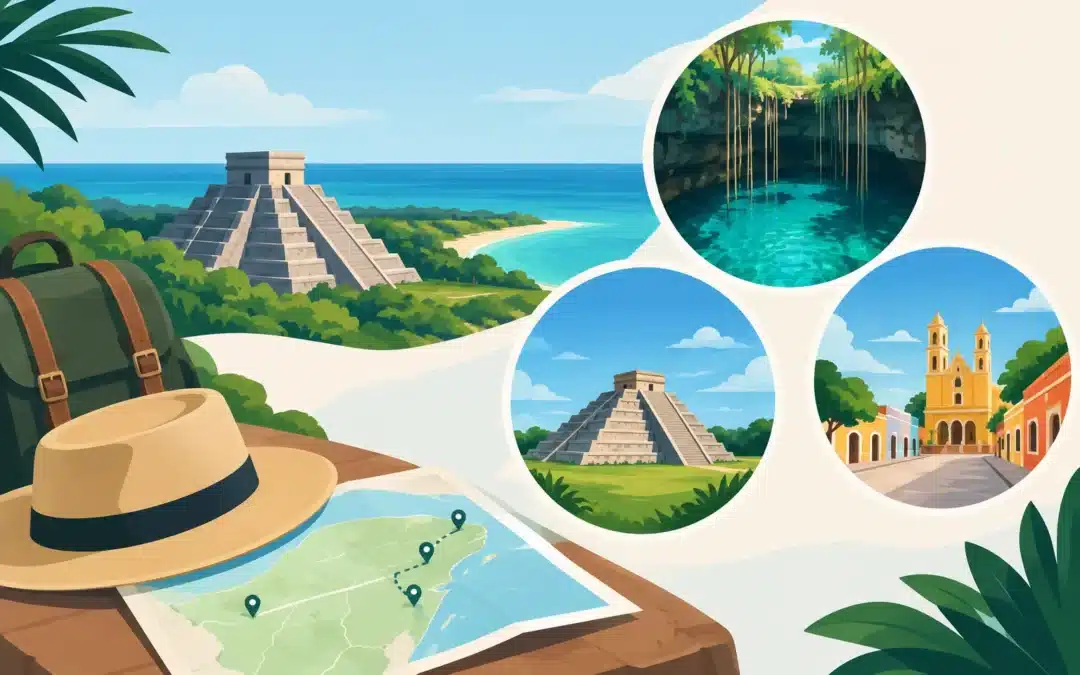
Valladolid is the kind of place that changes a trip’s rhythm. Wake up near a quiet colonial street, reach an ancient Maya city before the busiest hours, then cool off in a cenote before lunch. These Yucatan itinerary examples are designed for travelers who want to see the peninsula beyond a rushed checklist – with Valladolid as a comfortable, central base.
The best route depends on how many days you have, how much driving you enjoy, and whether your perfect day means temples, wildlife, a long swim, or all three. Build in space for the heat, early starts, and unplanned moments: a market snack, a hammock, a conversation with a local host. That is where Yucatán feels most real.
Before You Choose Your Route
A map makes Yucatán look simple. In practice, a good day needs smart timing. Chichén Itzá is best early, when the light is soft and the pathways are quieter. Río Lagartos calls for an early departure because wildlife follows its own schedule. Cenotes are ideal after a warm archaeological visit, while a cooking workshop or a cenote dinner makes more sense once the midday sun has eased.
Valladolid works especially well because it sits between major ruins, small Maya communities, nature reserves, and hundreds of cenotes. You can unpack once and take day trips instead of changing hotels every night. For independent travelers, a rental car offers flexibility. For couples, families, and small groups who would rather skip navigation and parking, a local guide and comfortable transport can make the days feel much lighter.
A 3-Day Yucatan Itinerary for First-Time Visitors
Three days is enough to experience the region’s essential contrast: monumental history, fresh water underground, and a living city with a Maya heart.
Day 1: Chichén Itzá, a cenote, and Valladolid
Start early at Chichén Itzá. Arriving near opening time gives you a better chance to appreciate El Castillo, the Great Ball Court, and the Temple of the Warriors before large groups arrive. A guide adds context here. The site is not only a collection of impressive buildings; it reflects astronomy, power, trade, ceremony, and centuries of Maya knowledge.
After the ruins, make swimming the reward. Choose a cenote where you can float, look up at roots reaching through limestone, and recover from the heat. Some cenotes are open to the sky, while others feel like underground cathedrals. If you are traveling with children or less confident swimmers, ask about steps, life jackets, and depth before choosing one.
Return to Valladolid for a relaxed evening. Walk around the main square, try regional dishes such as longaniza, cochinita pibil, or lomitos, and save room for a quiet night. Your next day starts early again.
Day 2: Ek Balam and a deeper cenote day
Ek Balam offers a different archaeological mood. The site is smaller and often feels more intimate than Chichén Itzá, with striking carvings and an acropolis that dominates the forest. It is a strong choice for travelers who want Maya history without spending another day in the largest crowds.
Pair it with a nearby cenote and avoid trying to add too many stops. This is a day to slow down: explore the site with attention, swim without checking the clock, and enjoy a simple local lunch. If you have energy in the late afternoon, rent bicycles in Valladolid or visit the convent area as the city cools.
Day 3: Valladolid culture and a Maya experience
Keep your final day closer to Valladolid. Visit the local market, taste seasonal fruit, and look for hand-embroidered textiles. Then choose an experience that brings you into participation rather than observation. A Maya cooking class lets you grind, season, prepare, and share food with local hosts. A piñata workshop is a fun hands-on option for families and groups of friends.
This lighter day is not a compromise. It gives you room to absorb what you have seen and meet the culture beyond the archaeological zones.
A 5-Day Yucatan Itinerary for Ruins and Wildlife
With five days, add two distinct landscapes: the pink salt-lagoon region near Río Lagartos and the forest around Cobá or Punta Laguna.
Days 1 through 3: Follow the three-day route
Use the first three days above as your foundation. You will cover Chichén Itzá, Ek Balam, cenotes, and Valladolid at a pace that still leaves room to rest.
Day 4: Río Lagartos and flamingos
Set out early for Río Lagartos, a biosphere reserve on the northern coast. The star attraction is the boat ride through mangroves and wetlands, where flamingos may gather in bright pink groups and crocodiles rest near the water’s edge. You may also spot herons, pelicans, ospreys, and other coastal birds.
Wildlife sightings are never guaranteed, and that is part of the experience. Season, water levels, wind, and animal behavior all matter. A local captain knows where to look, but nature chooses what it reveals. Bring sun protection, water, and a camera with a zoom lens if photography is a priority.
Day 5: Choose Cobá or Punta Laguna
For an active archaeological day, choose Cobá. Its old network of raised roads once linked settlements through the jungle, and the site feels more spread out and wild than the open plazas of Chichén Itzá. Cycling through the pathways is a great fit for travelers who want to move between ruins under the trees.
For a nature-first day, choose Punta Laguna instead. This community-managed reserve is known for spider monkeys and howler monkeys. Walk quietly with a local guide, listen before you look, and keep expectations realistic: sightings vary, and the forest is not a zoo. The reward is the thrill of seeing wildlife in its own habitat, plus the chance to learn how the community protects this landscape.
A 7-Day Yucatan Itinerary for a Slower Adventure
A week lets you stop treating every day as a mission. You can combine major sites with smaller pleasures, add a private experience, and leave time for the weather or your own curiosity to change the plan.
Days 1 through 5: Use the five-day plan
Start with the five-day itinerary, but leave an afternoon open after Río Lagartos or Punta Laguna. A seven-day trip should not feel like a seven-day race.
Day 6: Izamal, yellow streets, and regional flavors
Head to Izamal, known for its golden-yellow buildings and the vast San Antonio de Padua convent. The town has a slower, more residential feeling than the peninsula’s major archaeological centers. Walk the streets, browse for crafts, and enjoy a long lunch rather than trying to turn the visit into a quick photo stop.
Izamal pairs well with a food-focused day. Ask for regional specialties and notice how Maya ingredients continue to shape everyday cooking. This is also a good day for travelers who want culture without another long walk in full sun.
Day 7: Finish with a cenote after dark
Save your final day for something unusual. Spend the morning at leisure in Valladolid, then choose a cenote experience after sunset. The temperature is gentler, the setting becomes more atmospheric, and a candlelit dinner or guided evening visit creates a very different memory from daytime swimming.
In some cenotes, visitors can observe a remarkable natural event: snakes hunting bats as they emerge at dusk. This is not a performance, and conditions matter. Go with a guide who prioritizes respectful observation and safety. You will be watching a living ecosystem, not collecting a spectacle.
How to Make These Yucatan Itinerary Examples Work Better
Do not schedule two major ruins on consecutive days unless archaeology is your main reason for traveling. Chichén Itzá and Ek Balam are both worthwhile, but they land better with a cenote, wildlife reserve, or cultural activity between them. Likewise, avoid putting Río Lagartos after a late night. The early departure is worth it when you arrive rested.
Book popular experiences ahead during holidays and the winter travel season. Small groups can improve the day significantly: less waiting, more time to ask questions, and easier adjustments when the weather changes. MexiGo Tours can help travelers based in Valladolid combine transportation, local guides, and experiences without turning the trip into a rigid package.
Bring reef-safe sunscreen for outdoor days, but remember that many cenotes ask visitors to shower before entering and may restrict products in the water. Wear shoes with grip for wet stone, carry cash for smaller purchases, and keep a light layer for air-conditioned vehicles or breezy boat rides.
The strongest Yucatán trip is not the one with the most pins on a map. Choose a few places, arrive early, swim often, and leave enough room for the region to surprise you.


