
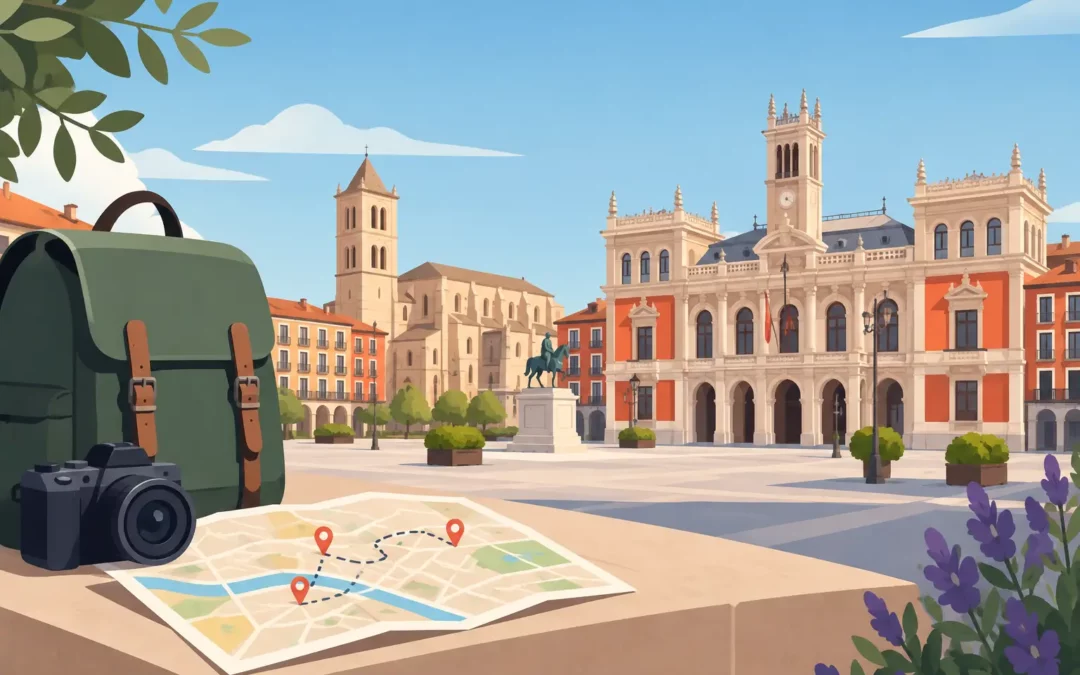
Valladolid is more than a convenient stop between Cancun and Merida. It is a place to wake up early for Maya temples, cool off in clear cenote water, eat well in the evening, and still sleep in the same comfortable colonial city each night. This Valladolid itinerary for three days keeps the pace active but realistic, with time for the moments that make Yucatan memorable: the first view of an ancient pyramid, a swim beneath limestone walls, and a conversation with people who call this region home.
Stay close to the historic center if you can. You will be within walking distance of restaurants, the main square, and San Servacio Church, while the best day trips begin just beyond town. Plan outdoor visits early, carry cash for small purchases, and bring swimwear every day. Around Valladolid, a spontaneous cenote stop is never a bad idea.
Day 1: Settle Into Valladolid and Swim in a Cenote
Start your first morning slowly in the center. Walk around Parque Principal Francisco Canton, look up at the twin towers of San Servacio Church, and notice how much daily life happens in the shade of the square. Valladolid feels lived-in, not staged. That is part of its charm.
From there, visit Casa de los Venados if art and architecture are on your list, or take a short walk to Calzada de los Frailes. This colorful street leads toward the former convent of San Bernardino de Siena. Go before midday, when the light is softer for photos and the streets are quieter. The convent is a strong first introduction to the layers of Valladolid: colonial stone, Maya history, and a neighborhood that still moves at its own pace.
By late morning, it is time to swim. Cenote Zaci sits right in town and is an easy choice if you want minimal travel after arrival. It is partly open to the sky, with hanging roots, fish, and a deep-blue pool below. For a more dramatic cenote experience, head outside town to cenotes such as Oxman, Suytun, or Palomitas. Each has a different feel. Suytun is known for its famous light beam and stone platform, while Oxman offers a broader open-air setting and a rope swing.
The trade-off is simple: the most photographed cenotes can get busy, especially from late morning onward. If you prefer quiet swimming over a perfect photo, choose a lesser-known cenote or go with a local guide who knows which places fit the day’s conditions.
Return to Valladolid for lunch and an easy afternoon. Try longaniza de Valladolid, a seasoned local sausage often served with tortillas and pickled onions, or order cochinita pibil if you want a classic Yucatecan meal. In the evening, walk Calzada de los Frailes again as the heat fades. This is a good night for a relaxed dinner, not a late one. Tomorrow starts early.
Day 2: Chichen Itza, a Cenote, and a Real Maya Meal
Chichen Itza deserves an early departure. The archaeological site is one of the most recognized places in Mexico, and for good reason: El Castillo rises with extraordinary precision, the Great Ball Court carries stories of ritual and power, and the carved platforms reveal a world far larger than a single pyramid.
Arriving early makes a real difference. Temperatures are lower, tour buses have not fully arrived, and your guide has more space to explain what you are seeing. Chichen Itza is not a place to rush through with a camera in one hand and a checklist in the other. Listen for the details: how the buildings aligned with the sky, why the cenote mattered, and how this city connected communities across Mesoamerica.
Most travelers need two to three hours at the site. Families with younger children may prefer a shorter visit, while history lovers can comfortably spend longer. Wear a hat, use sunscreen, and bring water. The open areas offer very little shade.
After the ruins, go somewhere cool. A cenote stop is the natural reset after walking in the sun. Cenote Ik Kil is close and convenient, but it is often busy. A smaller cenote in the surrounding villages can offer a calmer swim and a more personal experience. This is where a small-group outing can be especially useful: transport is organized, timing is smarter, and you can spend your energy enjoying the water instead of figuring out the next turn.
Make time for regional food rather than settling for the quickest buffet near the ruins. A meal prepared with local ingredients gives the day more depth. Look for handmade tortillas, roasted pumpkin seed sauces, beans, seasonal vegetables, and slow-cooked meats. Better still, join a Maya cooking experience where you can help prepare the meal, learn why specific ingredients matter, and sit down together afterward.
Back in Valladolid, keep the evening flexible. Browse small shops for embroidered textiles or hammocks, have a quiet drink near the square, or simply rest. Chichen Itza is a big day. Valladolid is a good place to recover without feeling like you are missing out.
Day 3: Choose Wildlife or a Second Maya City
The best final day depends on what you want to remember most. Valladolid gives you two very different directions: the jungle ruins of Ek Balam or the coastal wetlands of Rio Lagartos. Both are excellent. Trying to do both in one day is usually too much driving and not enough experiencing.
Option A: Ek Balam and a Jungle Cenote
Choose Ek Balam if you want another archaeological site with a more intimate, jungle-framed atmosphere. The ancient city is smaller than Chichen Itza, but it has a powerful presence. Its Acropolis is especially striking, and the carved stucco details around the tomb of Ukit Kan Lek Tok remain among the most impressive in the region.
Ek Balam pairs naturally with Cenote Xcanche nearby. Surrounded by forest, it is ideal for travelers who want to mix ruins with swimming, rappelling, zip lines, or a simple lunch beneath the trees. You do not have to add every activity. Sometimes the best plan is to climb down, float in cool water, and look up at the jungle canopy.
This option works well for couples, families, and anyone who wants less time on the road. You can be back in Valladolid with enough daylight for a bike ride around town or one more excellent dinner.
Option B: Go Flamingo in Rio Lagartos
Choose Rio Lagartos if wildlife and photography call to you. The fishing village sits beside a protected biosphere reserve where boat trips travel through mangroves and shallow lagoons. Flamingos are the stars, but they are not the only reason to go. Watch for herons, pelicans, crocodiles, and the shifting colors of the salt flats.
Wildlife sightings always depend on season, weather, and animal behavior. Flamingos can be present year-round, but numbers and locations change. A responsible guide will never promise a perfectly staged encounter. What they can offer is local knowledge, a respectful distance from the birds, and a better chance of being in the right place at the right time.
Rio Lagartos is a longer day than Ek Balam, so leave early and expect to return in the late afternoon. Bring a light layer for the boat, sun protection, and a camera with room for far too many flamingo photos. If you want a day that feels completely different from ruins and cenotes, this is it.
How to Make Three Days Feel Easy, Not Rushed
A Valladolid itinerary for three days works best when you make one major commitment per day. Day one belongs to the city and cenotes. Day two belongs to Chichen Itza. Day three belongs to either Ek Balam or Rio Lagartos. That rhythm leaves room for traffic, weather, lingering over lunch, and the unexpected moments that often become the best stories.
If you are renting a car, start early and avoid driving unfamiliar roads after dark when possible. If you prefer to relax, book transportation with a local operator. Small groups are especially helpful for travelers who want clear pickup times, guides who can explain the region, and stops chosen for more than their Instagram potential. MexiGo Tours can help shape a private or small-group route around the experiences that matter most to you.
Pack breathable clothes, comfortable walking shoes, sandals for cenotes, reef-safe sunscreen, insect repellent, a refillable water bottle, and a dry bag for your phone. At cenotes, shower before entering the water and follow site rules. In Maya communities, ask before photographing people and buy directly from local makers when you can.
Leave your final evening in Valladolid open. Sit in the square with a marquesita, order one more plate of panuchos, or take a slow walk through streets that now feel familiar. The best three-day trip is not the one where you checked every box. It is the one where you had enough time to look around, jump in the water, and feel the east of Yucatan welcome you in.


