
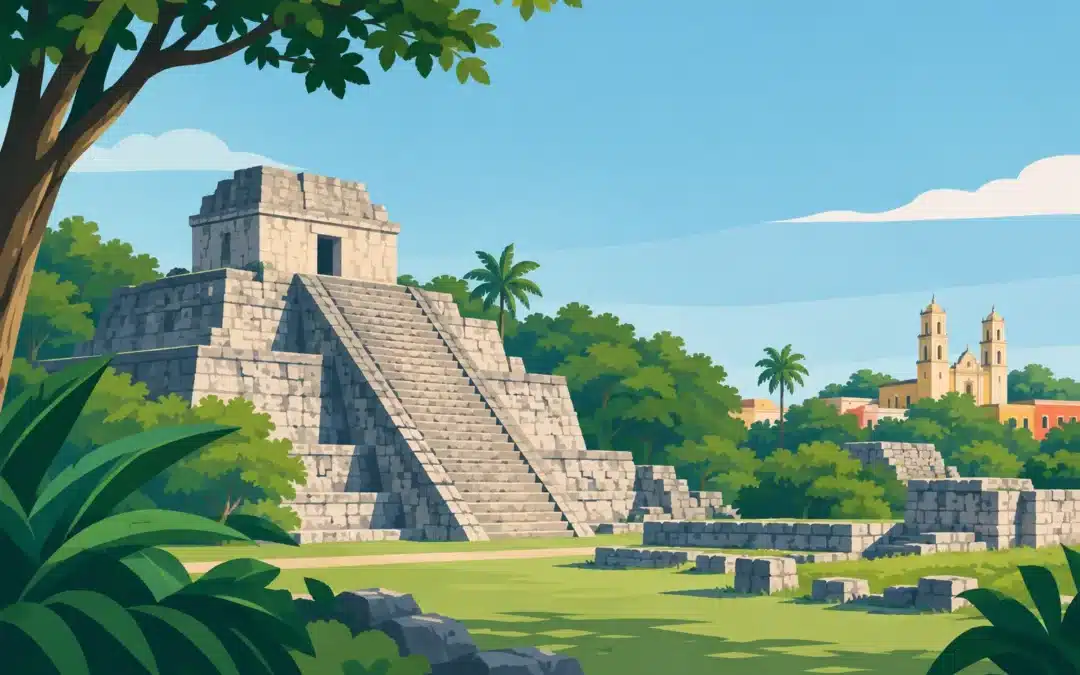
The stone cities around Valladolid are not a checklist. They are places to feel scale, imagine ceremony, climb into forest views where permitted, and cool off in a cenote after a hot morning. The best Mayan ruins for your trip depend on what you want from the day: famous monuments, quieter paths, jungle atmosphere, wildlife, or time with a local guide who can make the details come alive.
Valladolid is one of the smartest bases in Yucatan for reaching several important archaeological sites without constantly changing hotels. Start early, travel comfortably, and leave room for the experiences that make the peninsula memorable: a regional lunch, a swim, a bike ride, or a conversation with people who still carry Maya culture forward.
Which Mayan ruins should you visit from Valladolid?
Chichen Itza, Ek Balam, and Coba each tell a different story. Trying to see all three in a rush can turn a meaningful trip into a long day in the van. Choose one major site for each day, then pair it with nature, food, or a cenote.
Chichen Itza for the legendary landmarks
Chichen Itza is the site most travelers know before they arrive in Mexico, and for good reason. El Castillo, the Great Ball Court, the Temple of the Warriors, and the Sacred Cenote reveal the power and complexity of a city that became a major regional center.
Its fame is also its trade-off. It draws large crowds, especially around midday and during peak travel seasons. An early departure from Valladolid makes a real difference. You can walk the central areas before the strongest heat, hear your guide without competing with as much noise, and have more time for photographs.
Look beyond the pyramid. The carved platforms, columns, and ball court acoustics offer clues about politics, trade, ritual, and public life. A local guide helps connect those details without reducing Maya history to myths or dramatic one-liners.
Chichen Itza works especially well for first-time visitors, families, and travelers with one full day in the region. Pair it with a cenote swim and a relaxed meal rather than adding too many stops. You will enjoy it more.
Ek Balam for views, sculpture, and a quieter feel
Ek Balam is a favorite for travelers who want a powerful archaeological site with a more intimate atmosphere. Its name is often translated as Black Jaguar, and the city sits amid low jungle north of Valladolid. The Acropolis dominates the site, while detailed stucco work near its upper levels makes it especially compelling for people who enjoy art and architecture.
Access rules can change, including where visitors may climb, so plan to appreciate the site as it is protected today. Even when climbing is limited, Ek Balam rewards a slower visit. Notice the defensive walls, the ceremonial spaces, and the way the jungle frames the structures.
This is an excellent choice for couples, active families, and photographers who prefer less time in crowds. Its location also makes it easy to combine with a cenote, a bike ride, or a meal in a nearby community. The day feels balanced: history in the morning, water and shade in the afternoon.
Coba for jungle roads and ancient scale
Coba feels different from the open plazas of Chichen Itza. The ancient city spreads through the forest around lakes and wetlands, linked by raised stone roads called sacbes. Renting a bicycle or taking a cycle taxi inside the site can turn the visit into an adventure, especially when the heat is manageable.
Coba requires more travel time from Valladolid than Ek Balam or Chichen Itza, so it is best for travelers who want a full-day outing and do not mind a longer drive. In return, you get a strong sense of how vast a Maya city could be beyond one central pyramid or plaza.
Wildlife sightings are possible, though never guaranteed. Listen for birds in the trees, watch for iguanas near the paths, and let your guide point out the landscape features that shaped settlement here. Wear comfortable shoes, bring water, and expect humidity.
How to make a ruin day feel like a real Yucatan experience
The ruins are only part of the story. The Maya are not a civilization frozen in stone. Maya communities, languages, food traditions, crafts, and family knowledge remain part of daily life across the peninsula. Travel with curiosity, not as a spectator looking for an ancient world that disappeared.
Ask thoughtful questions. Learn the names of the foods on your plate. Try handmade tortillas, cochinita pibil, or seasonal fruit when it is offered. If your itinerary includes a community visit or workshop, participate with respect and buy directly when appropriate. These moments often stay with travelers longer than a perfect pyramid photo.
A cenote is another natural partner for an archaeological visit. After hours under the sun, swimming in clear freshwater beneath limestone walls is more than a convenient break. Cenotes shaped settlement, farming, and spiritual life in the ancient Maya world. They still deserve care today. Shower when requested, skip sunscreen before swimming, and never leave trash behind.
Practical tips for visiting Mayan ruins
Heat is the main challenge, not the distance. Bring a refillable water bottle, a hat, sunglasses, light clothing, and shoes that can handle uneven ground. A small towel and dry clothes are useful if you are adding a cenote. During the rainy season, pack a light rain layer and protect your phone or camera.
Morning is usually the best time to visit major sites. The light is softer, temperatures are kinder, and crowds are often lower. Arriving early also creates flexibility. If a stop takes longer than expected, you will not have to race through the rest of the day.
Respect the barriers, pathways, and photography rules at every site. Do not touch carvings or climb structures that are closed. Archaeological conservation is not a minor detail. These places have survived centuries, and responsible visitors help ensure they remain for the next generation.
If you are traveling with children, choose fewer stops and leave time to move. Ek Balam and Coba can be more engaging for active kids, while Chichen Itza offers the recognizable landmark many families want to see. For travelers with limited mobility, ask in advance about walking distances, surface conditions, shade, and vehicle access. The right itinerary is the one that lets everyone enjoy the day rather than simply complete it.
Small groups change the experience
A large bus tour can be efficient, but it often runs on fixed timing: quick photo stop, buffet lunch, back on the road. Small-group and private outings give you more room to ask questions, pause at details, adjust for the weather, and spend longer at the places that interest you.
From Valladolid, MexiGo Tours can help shape a day around your pace, whether that means an early Chichen Itza visit, Ek Balam with a cenote, or a more active Coba route. Local guides add context, while comfortable transportation removes the stress of navigating unfamiliar roads, parking, and entrance logistics.
There is no single “best” ruin for every traveler. Chichen Itza delivers monumental history. Ek Balam offers artistry and a calmer rhythm. Coba brings forest, movement, and a sense of distance. Choose the place that matches your travel style, then give yourself enough time to experience it fully.
Start before the sun gets high, listen closely, swim when the day calls for it, and leave with more than photos. The finest days among the ruins are the ones that connect ancient stone, living culture, and the particular joy of being present in Yucatan.


