
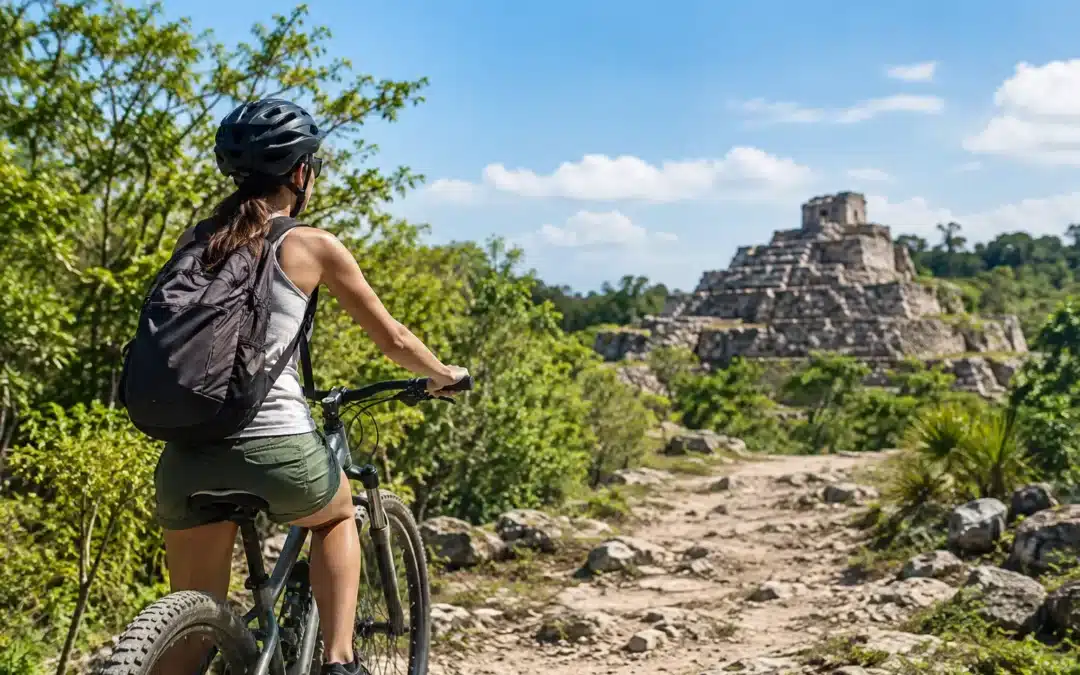
Cobá feels different when you experience it at bicycle speed. A Coba ruins bike tour takes you off the bus-stop rhythm and into a landscape of white limestone paths, jungle shade, towering ceiba trees, and ancient stone structures that appear between the leaves. It is an active way to meet one of the Maya world’s most atmospheric cities – and a great choice for travelers staying in Valladolid who want history without spending all day in a crowd.
You do not need to be a serious cyclist. The route inside the archaeological zone is mostly flat, relaxed, and made for curious travelers who would rather roll through the forest than rush from sign to sign.
Why Cobá Is Made for a Bike Ride
Cobá was once a powerful Maya city connected to other settlements by sacbeob, raised limestone roads. Its ancient urban area spreads through the jungle and around lagoons, so the important structures are not packed into one compact plaza. That distance is exactly what makes biking worthwhile.
From the entrance, wide paths lead toward groups of temples, ball courts, residential complexes, and stelae. On foot, the heat and distances can make the visit feel long. By bike, the ride becomes part of the experience. You feel the change from open sunshine to cool forest, hear birds above the canopy, and have time to stop when something catches your eye.
The pace also works well for families, couples, and friends with different interests. One person may be focused on Maya architecture; another may be looking for a perfect jungle photo. A bike gives the group room to enjoy both without losing the day’s rhythm.
What You Will See on a Coba Ruins Bike Tour
The archaeological site has several areas connected by forest paths. Your guide can help turn a beautiful ride into a meaningful visit by explaining how the city worked, who may have lived there, and why its road network mattered across the region.
The central group and the ball court
Near the main entrance, you will find structures that introduce Cobá’s ceremonial center. The ball court is especially worth a pause. The ancient Mesoamerican ballgame was far more than sport. It carried political, religious, and social meaning, and its courts were places where public life played out.
Nohoch Mul and the forest roads
Nohoch Mul is Cobá’s best-known pyramid and a striking sight from the path. Its name means “great mound,” and it rises above the jungle canopy. Climbing is no longer permitted, a protection measure for both visitors and the monument, but the view from below still shows its impressive scale.
The ride toward this group is one of the pleasures of Cobá. You follow a straight sacbé through the trees, imagining the messengers, traders, and pilgrims who once used these same routes. Keep your camera ready, but do not spend the entire ride looking through it. Cobá rewards travelers who slow down and notice the sounds of the forest.
Stelae and Maya stories carved in stone
Several stelae at Cobá preserve carved images and inscriptions connected to rulers, ceremonies, and key dates. Some details have softened over centuries of rain and humidity, so a local guide adds real value here. What looks like a weathered slab can become a record of dynasties, power, and Maya timekeeping once you know where to look.
Is the Ride Difficult?
For most visitors, no. The cycling route is generally easy and mostly level, with broad paths rather than technical trails. Expect a gentle ride with frequent stops, not a workout or a race.
The real challenge is the tropical climate. Cobá can be hot and humid, especially from late morning onward. If you are visiting with young children, older travelers, or anyone unused to cycling in heat, choose an early departure and keep the pace easy. Electric vehicles and bicycle taxis may be available at the site for travelers who prefer not to pedal, but a bicycle is the more personal way to take in the landscape.
Closed-toe shoes are ideal, though secure sandals can work for an easy ride. Bring water, insect repellent, sunscreen, sunglasses, and a hat for the sections outside the trees. Light, breathable clothing makes a noticeable difference.
The Best Time to Ride Cobá
Early morning is the sweet spot. The air is cooler, the light is soft for photos, and the jungle feels more alive. You also have a better chance of enjoying the paths before the busiest visitor hours.
The dry season, usually from November through April, often brings clearer skies and more comfortable riding conditions. But the green season has its own appeal: the forest looks richer, visitor numbers can be lower, and afternoon rain can cool the air. Rainfall is possible, so a compact rain jacket is a smart addition during the wetter months.
If your schedule only allows a later visit, it can still be enjoyable. Just plan for more sun, drink more water than you think you need, and avoid trying to combine too many activities in the same afternoon.
Pair the Ruins With a Cenote Swim
A bike ride through Cobá and a cenote swim make a natural day in the Maya jungle. After cycling among stone temples, cool freshwater is a welcome reset. Around Cobá, you can find cenotes with different personalities: some are open and bright, others feel like quiet limestone chambers hidden beneath the trees.
This combination is especially good for travelers who want more than an archaeological visit. You can learn how Maya cities were organized in the morning, then swim in the freshwater landscapes that have been sacred and practical gathering places for generations.
It depends on your travel style. If you want a slow, history-focused day, give Cobá plenty of time and choose one nearby cenote afterward. If you have only a few days in Valladolid, a small-group outing that coordinates transportation, site timing, bicycles, and a swim can make the day much easier. MexiGo Tours can help travelers build that kind of local experience without turning it into a rushed checklist.
How to Make the Day Feel Better, Not Busier
Start with a real breakfast in Valladolid. Cycling on coffee alone is not the move in Yucatán heat. Pack a refillable water bottle, wear clothes you can comfortably get wet later, and carry a dry change of clothes if you are adding a cenote.
At the ruins, let your guide set an unhurried pace. Cobá is not about ticking off every structure. It is about seeing how a Maya city sits inside the forest. Pause at the sacbeob. Look beyond the temples. Ask about the communities living around the site today, not only the people who lived here centuries ago.
Respect the paths, barriers, wildlife, and archaeological protections. Do not climb restricted monuments or leave the designated routes for a photo. These places have lasted because they matter, and thoughtful visitors help keep them meaningful for the next generation.
Who Will Love This Experience?
A Cobá bike ride suits active travelers who want an approachable outdoor activity, but it is not only for athletic visitors. It is ideal for couples looking for a memorable day beyond the biggest tourist sites, families with older children, friend groups, and independent travelers who want local context without dealing with transportation and timing alone.
It may be less appealing if you are seeking a major museum-style archaeological site with dense signage and lots of shade at every stop. Cobá is more open, more spread out, and more atmospheric. That is the point. Come ready to pedal slowly, listen closely, and let the jungle set the pace.
Bring your sense of curiosity, fill your water bottle, and leave enough room in the day for a cenote afterward. The best Cobá memories are rarely just of the pyramid – they are of the ride beneath the trees, the stories shared along the path, and the first cool swim after the ruins.


