
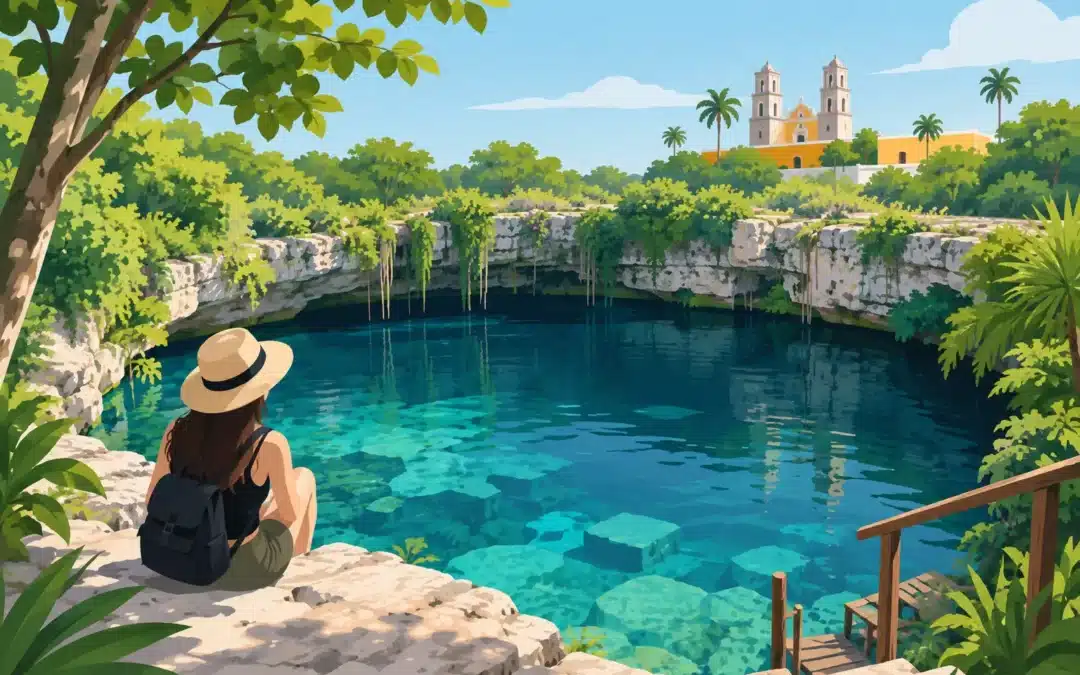
A cenote can feel like your own hidden swimming hole, or like the busiest stop on a coach route. The difference is rarely luck. Learning how to find quiet cenotes means looking beyond the famous names, choosing your hours carefully, and traveling with enough flexibility to follow local advice. From Valladolid, you have an excellent base for doing exactly that.
Quiet does not always mean completely empty. A peaceful cenote may still have a local family swimming, a few independent travelers, or a guide leading a small group. That is part of real Yucatán. The goal is space to swim, listen to the water, and appreciate the place without long lines, loud music, or a crowd pressing around every photo spot.
Start with the Cenotes That Are Not on Every Map
The most photographed cenotes are popular for good reasons. They are beautiful, easy to reach, and often close to major roads or archaeological sites. But that convenience brings large groups, especially between late morning and midafternoon.
For a quieter experience, look for cenotes outside the standard Chichén Itzá and Tulum day-trip circuit. The villages and rural roads around Valladolid hold many options: open-air pools framed by vegetation, cave cenotes with clear blue water, and small community-run sites where the pace is slower. Some have simple facilities rather than polished visitor centers. That can be a benefit if you value atmosphere over a resort-style setup.
Ask about cenotes by their village, not only by a famous name. Local hosts, restaurant owners, and experienced guides often know which places are calm that day, which roads are best after rain, and which cenotes are temporarily closed for maintenance or community events. Conditions change. Current local knowledge beats an old social media post every time.
Choose the right kind of cenote
Different cenotes attract different crowds. Fully open cenotes are bright, photogenic, and appealing to families. Semi-open cenotes often combine sunlight, roots, and shaded water. Cave cenotes can feel especially peaceful, but they may involve stairs, low light, life jackets, or restrictions on jumping and photography.
If quiet is your priority, a smaller cenote with a limited number of visitors can be better than a famous open pool. On the other hand, if you are traveling with young children or nervous swimmers, an open cenote with easy entry and facilities may be worth sharing with more people. The best choice depends on the experience you want, not just on the crowd count.
How to Find Quiet Cenotes by Timing Your Visit
Timing is your strongest advantage. Most organized groups arrive after breakfast and stay active through the hottest part of the day. Arrive when a cenote opens, ideally before 9:00 a.m., and you may have the water nearly to yourself for a while. Early light is also soft and beautiful for photos.
A second good window is later in the afternoon, when day-trip groups are heading back toward their hotels. Confirm the last entry time first. Small cenotes may close earlier than expected, particularly in quieter villages or during the rainy season.
Avoid building your swim around the noon-to-2:00 p.m. window if solitude matters. It is when buses, rental cars, and travelers leaving archaeological sites tend to converge. Weekends, Mexican school vacations, Christmas and New Year, Semana Santa, and summer holidays also bring more local visitors. That does not mean you should avoid these periods completely. Just plan for an early start, choose a less obvious stop, and keep a second cenote in mind.
Weather can help, too. A light rain may discourage casual visitors, while the water stays inviting. Heavy rain is different: rural roads can become difficult, visibility in the water may change, and authorities may close a site for safety. Let safety set the plan, not the itinerary.
Use Valladolid as Your Advantage
Valladolid makes quiet cenote days easier because you do not need to follow the same route as travelers coming from Cancún or the Riviera Maya. Spend the night in town, leave early, and choose a route that fits your energy. You can swim before the heat rises, stop for lunch in a village, then return to Valladolid for a relaxed evening.
Transportation matters more than many travelers expect. Renting a car gives you freedom, but narrow roads, limited signage, cash-only entrances, and changing road conditions can turn a simple outing into a stressful search. A local driver or small-group tour removes that friction and can take you to places you might not identify on your own.
At MexiGo Tours, local guides help guests combine remote cenotes with the right pace, whether that means a morning swim after an archaeological visit or a quieter evening experience. Small groups are especially useful when you want to ask questions, adjust timing, and spend more time in the water instead of waiting for a large group to regroup.
Do not chase five cenotes in one day
It is tempting to turn a cenote outing into a checklist. But three rushed stops can feel less memorable than one beautiful swim and a good local meal. Every transfer, changing room, entrance payment, and parking stop takes time.
For most travelers, one or two cenotes make a satisfying day. Pair them thoughtfully: perhaps one open cenote for sunlight and easy swimming, followed by a shaded cave cenote for a cooler, quieter atmosphere. Leave room to linger. The sound of dripping water and the shift of light inside a cenote are often what people remember most.
Ask Better Questions Before You Go
Instead of asking, “Which cenote is the best?” ask questions that reveal whether it fits your day. Is it busy at the time you plan to arrive? Can you swim freely, or are there timed entries? Are life jackets required? Is there a changing room and restroom? Can you pay in cash? How many stairs lead down to the water?
These details are not minor. A cenote with 100 steep steps can be magical for active travelers and frustrating for someone with a sore knee. A remote site with no snack stand may be perfect for a peaceful escape, but you will want to bring water and eat beforehand. Some cenotes allow picnic food, while others do not. Respect the rules rather than assuming each site operates the same way.
For photographers, ask whether tripods, drones, flash, or professional equipment are permitted. Many cenotes protect fragile formations, wildlife, and the experience of other visitors by limiting equipment. A quiet visit should not come at the cost of treating a living natural site like a private studio.
Help Keep the Cenote Quiet and Healthy
Cenotes are connected to Yucatán’s underground water system and hold deep cultural importance in Maya territory. Treating them with care is not an extra step. It is part of being welcome there.
Shower before entering when facilities are available, and skip sunscreen, body oils, insect repellent, and makeup before swimming. Even products labeled reef-safe can affect delicate freshwater systems. Do not touch formations, feed fish, leave trash, or bring glass near the water. Keep your voice low, especially in caves where sound travels far.
Life jackets can feel unnecessary to confident swimmers, but follow the site’s policy. Rules may protect visitors, preserve sensitive areas, or respond to changes in water depth and conditions. If a community asks you not to jump, climb, or enter a certain section, take that seriously. The privilege of swimming in these places depends on visitors respecting them.
A Better Definition of “Hidden”
The quietest cenote is not necessarily secret. Truly hidden places can be hard to access, poorly maintained, or closed to visitors for good reasons. Chasing secrecy can also lead travelers onto private land or into communities that have not chosen to receive tourism.
A better goal is a cenote that is locally managed, safely accessible, and visited at a thoughtful time. Pay the entrance fee willingly. Buy a drink or lunch in the village when it makes sense. Learn the name of the community. Those small choices support the people who protect the water and make a calm visit possible.
Leave your schedule with a little open space. Ask locally that morning, choose the route that feels right, and let one clear pool of freshwater become the center of your day. You will find that the best quiet cenotes are not just places to photograph. They are places to slow down, swim, and feel Yucatán around you.


