
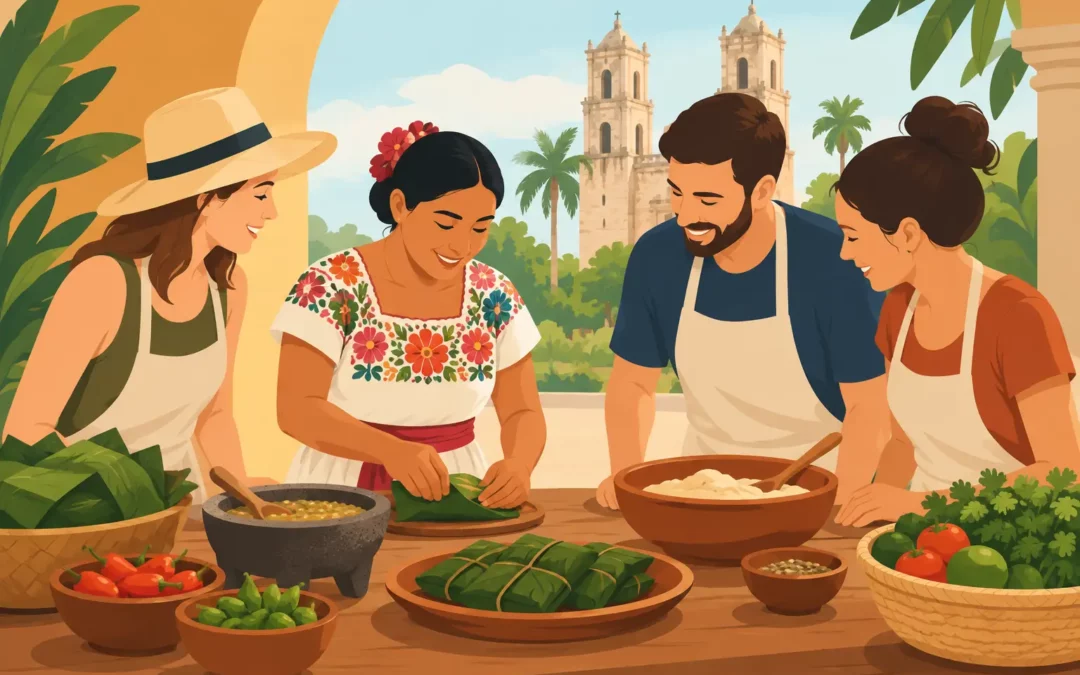
The scent arrives before the recipe does: toasted chiles, fresh cilantro, sour orange, corn warming on the comal. A Mayan cooking class Valladolid experience is not a restaurant meal with a quick demonstration. It is an invitation to cook, ask questions, get your hands dusty with masa, and sit down to food shaped by generations of Maya families.
Valladolid is an ideal base for this kind of day. The city sits close to cenotes, archaeological sites, small villages, and family kitchens where Yucatecan traditions are still part of daily life. After a morning at Chichén Itzá or a swim in a cenote, cooking together offers a slower, more personal way to meet the region.
Why Take a Mayan Cooking Class in Valladolid?
Yucatecan food has a character all its own. Corn is central, but so are pumpkin seeds, achiote, habanero, epazote, local citrus, and deeply flavored recados – the regional spice pastes that give many dishes their color and aroma. You may recognize cochinita pibil from a menu, but preparing it with local guidance reveals why it tastes the way it does.
A good class connects ingredients to place. You learn why sour orange matters, how a comal changes a tortilla, and how a sauce develops when chilies are roasted instead of simply blended. These details are easy to miss when you only order dinner.
The experience is also about conversation. Maya hosts may share family methods, local food customs, and the stories behind a dish. Every kitchen has its own way of doing things, so do not expect one fixed, textbook version of Yucatecan cuisine. That is part of the value. You are tasting food as people actually make it here.
What a Cooking Day Can Look Like
Every host and menu is different, but the best experiences move at the rhythm of a real kitchen. You may begin by selecting or preparing ingredients, then move into chopping, grinding, mixing, roasting, and shaping. There is usually time to pause, learn, and laugh when your first tortilla is less round than planned.
Start With the Ingredients
The class may introduce you to the building blocks of local cooking: dried chilies, annatto seeds for achiote, black beans, chaya, corn dough, tomatoes, onions, and citrus. Depending on the experience, you might visit a market or work with ingredients already gathered by your hosts.
A market visit is great for travelers who enjoy food photography and want to see the everyday bustle of Valladolid. A home-based class can feel more intimate and gives you more time at the stove. Neither is automatically better. Choose based on whether you want the energy of a market or a quieter connection around the table.
Cook With Your Hands
Mayan cooking is wonderfully tactile. You might press tortillas, prepare a smoky salsa, make a filling for salbutes or panuchos, or help season a traditional Yucatecan dish. Grinding spices and working masa by hand give you a feel for the ingredients that no recipe card can provide.
Some dishes take hours or require underground cooking methods, so a class may prepare selected elements in advance while you make the components that fit the time available. That is not cutting corners. It is practical cooking, and it lets you enjoy the full meal without turning your Valladolid itinerary into an all-day kitchen shift.
If you love spicy food, this is your moment to ask about habanero. It is bright, fruity, and seriously hot. Local hosts can show you how it is used for flavor, not just heat. If you prefer mild food, say so early. Yucatecan dishes can often be adjusted, while spicy sauces are served on the side.
Share the Meal
The most memorable part often comes after the cooking. You sit down with the people who taught you, taste what the group made, and see how each component fits together. Fresh tortillas, beans, salsa, and a main dish can become a long lunch full of stories.
Come hungry, but come curious too. Ask what people cook on weekdays, which dishes appear at celebrations, and what ingredients are hardest to find outside Yucatán. The answer may change the way you order food for the rest of your trip.
Dishes You May Encounter
Menus follow the season, the host, and the length of the class. Still, these are some flavors that often appear in a Mayan cooking class in Valladolid:
- Hand-pressed corn tortillas, prepared on a hot comal
- Sikil p’ak, a rich pumpkin-seed dip often served with tortillas or vegetables
- Salbutes and panuchos, small fried corn bases topped with fresh, colorful ingredients
- Poc chuc, grilled pork seasoned with citrus and served with onion and beans
- Xnipec, a sharp habanero salsa with citrus, tomato, and onion
- Traditional drinks such as agua fresca, or preparations that highlight local corn and cacao
Do not choose a class only because it promises the longest menu. A smaller selection made carefully is usually more rewarding than racing through six dishes. Look for time to participate, clear explanations, and a shared meal rather than a quick tasting at the end.
A Respectful Way to Meet Living Maya Culture
The word “Mayan” is often used loosely in travel advertising. In Valladolid and the eastern Yucatán, Maya culture is not a theme from the past. It is present in language, food, family life, crafts, and community traditions.
A thoughtful cooking class should treat that culture with respect. Your hosts are not performers. Follow their lead when taking photos, ask before photographing people or private spaces, and stay open to instructions that may be different from what you know at home. A little patience goes a long way when cooking over a comal or learning to shape masa.
This approach makes the experience better for everyone. You leave with more than a list of ingredients. You understand that a dish carries memory, work, geography, and care.
How to Choose the Right Class
Valladolid has many food experiences, and the right one depends on your travel style. Couples often enjoy a smaller, home-style session with time for conversation. Families may prefer a hands-on class where kids can make tortillas and try simple tasks. Groups of friends can make a cooking afternoon part of a bigger day with a cenote swim or a visit to nearby ruins.
Before reserving, confirm the basics: transportation or meeting point, total duration, dietary accommodations, language of instruction, and whether everyone in your party will be actively cooking. Vegetarian and vegan options may be possible, but they need advance notice because traditional menus can feature pork, eggs, or animal-based broths.
Also think about timing. Midday heat in Yucatán is real, especially after a morning outdoors. A cooking class can be a smart afternoon plan when you want shade, a cold drink, and a meaningful activity that does not require more miles under the sun. Evening sessions can be especially enjoyable if you want your meal to become dinner.
Small groups matter here. In a crowded kitchen, you may spend more time watching than cooking. A more personal format gives you room to ask questions, help with each step, and connect naturally with your hosts.
Make It Part of Your Valladolid Adventure
Food fits beautifully between the region’s bigger adventures. Explore Chichén Itzá early, then return to Valladolid to cook and eat at an easier pace. Visit Ek Balam and cool off in a cenote before an afternoon in the kitchen. Or make food the main event on a day when you want to stay close to town and experience Yucatán beyond its famous ruins.
MexiGo Tours can help travelers pair local cooking with the places that make this corner of Yucatán unforgettable – cenotes, Maya communities, wildlife, and archaeological sites – without turning the day into a rushed checklist. The best itineraries leave space to taste, swim, talk, and enjoy where you are.
Bring comfortable clothes, tie back long hair, and leave room in your plans for a second helping. More than a souvenir recipe, a cooking class gives you a meal you helped create and a sharper sense of the people and flavors that make Valladolid special. When you return home and warm a tortilla on your own stove, you may find that Yucatán comes back to you one scent at a time.


